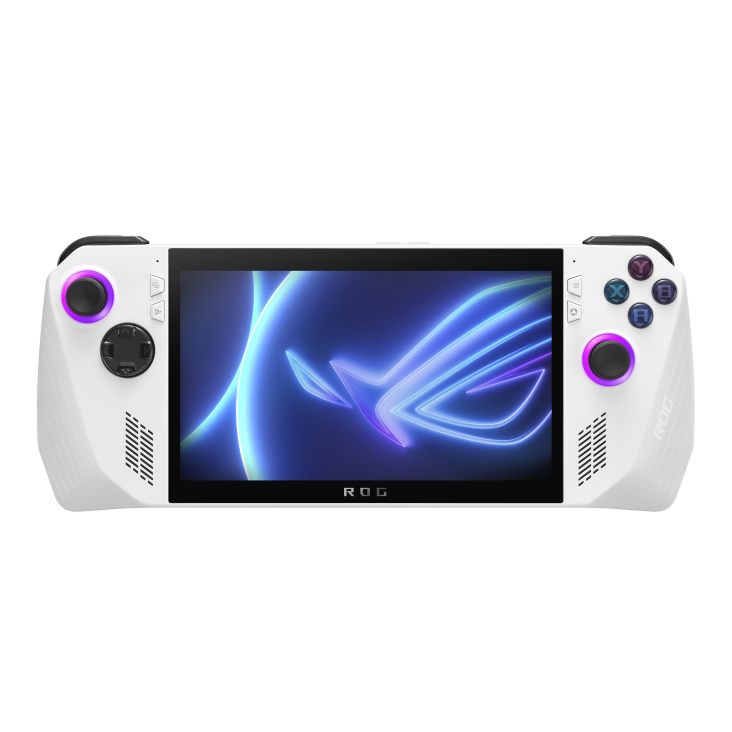
GamersNexus tested Red Dead Redemption 2 on the ASUS ROG Ally Z1 Extreme in its stock Turbo profile on battery (Stock Turbo 25W). The benchmark used 1280 × 720, Vulkan and the Favor Performance in-game preset, while framerate caps and variable-refresh features were disabled and tearing was allowed. The named global preset is directly selectable; GamersNexus did not separately expand every individual sub-setting. Its earlier write-up of the same 720p Favor Performance benchmark explicitly states that the test runs without help from upscaling.
The published chart reports 65.9 FPS average, a 42.2 FPS 1% low and a 32.9 FPS 0.1% low. VRAM allocation, exact driver and OS builds, test route, capture tool, capture duration and run count were not published and remain unspecified.
Confidence 71/100 · 0 confirmed
+
Resolution
1280 × 720
TDP
25W
Average
65.9 FPS
1% Low
42.2 FPS
Upscaler: None (native)•Battery: Not set•25 settings
Device and power
Handheld
Default: The source chart labels this exact handheld configuration. | Why: Fixes the hardware represented by the result. | Problem: mismatched device target | FPS: Hardware-dependent | Visual: Indirect | Restart: Not applicable
ASUS ROG Ally Z1 Extreme
Model detail
Default: This is the hardware variant represented by the source. | Why: Prevents mixing lower-spec or later-generation models. | Problem: model mismatch | FPS: Hardware-dependent | Visual: Indirect | Restart: Not applicable
Original ROG Ally with Ryzen Z1 Extreme
Processor
Default: The source row identifies this processor class. | Why: Separates materially different handheld variants. | Problem: APU mismatch | FPS: Hardware-dependent | Visual: Indirect | Restart: Not applicable
AMD Ryzen Z1 Extreme
Memory
Default: The tested handheld uses this physical memory configuration. | Why: Records system memory without inventing an unreported VRAM allocation. | Problem: memory mismatch | FPS: Hardware-dependent | Visual: Indirect | Restart: Not applicable
16GB LPDDR5-6400
Operating system
Default: The tested handheld is a Windows 11 device; the exact build was not published. | Why: Preserves the OS family without fabricating a version. | Problem: OS mismatch | FPS: Software-dependent | Visual: Indirect | Restart: Not applicable
GamersNexus tested Cyberpunk 2077 v2.12 on the ASUS ROG Ally Z1 Extreme in its stock Silent profile on battery (Stock Silent 10W). The benchmark used 1280 × 720, DirectX 12 and the Low in-game preset, with AMD FSR 2.1 Quality at a 66% horizontal and vertical source scale, while framerate caps and variable-refresh features were disabled and tearing was allowed. The named global preset is directly selectable; GamersNexus did not separately expand every individual sub-setting.
The published chart reports 18.8 FPS average, a 11.0 FPS 1% low and a 7.9 FPS 0.1% low. VRAM allocation, exact driver and OS builds, test route, capture tool, capture duration and run count were not published and remain unspecified.
GamersNexus tested Cyberpunk 2077 v2.12 on the ASUS ROG Ally Z1 Extreme in its stock Turbo profile on battery (Stock Turbo 25W). The benchmark used 1280 × 720, DirectX 12 and the Low in-game preset, with AMD FSR 2.1 Quality at a 66% horizontal and vertical source scale, while framerate caps and variable-refresh features were disabled and tearing was allowed. The named global preset is directly selectable; GamersNexus did not separately expand every individual sub-setting.
The published chart reports 59.3 FPS average, a 34.3 FPS 1% low and a 25.1 FPS 0.1% low. VRAM allocation, exact driver and OS builds, test route, capture tool, capture duration and run count were not published and remain unspecified.
GamersNexus tested Resident Evil 4 on the ASUS ROG Ally Z1 Extreme in its stock Silent profile on battery (Stock Silent 10W). The benchmark used 1280 × 720, DirectX 12 and the Prioritize Performance in-game preset, with AMD FSR 2 Quality, while framerate caps and variable-refresh features were disabled and tearing was allowed. The named global preset is directly selectable; GamersNexus did not separately expand every individual sub-setting.
The published chart reports 20.7 FPS average, a 14.2 FPS 1% low and a 10.9 FPS 0.1% low. VRAM allocation, exact driver and OS builds, test route, capture tool, capture duration and run count were not published and remain unspecified.
GamersNexus tested Resident Evil 4 on the ASUS ROG Ally Z1 Extreme in its stock Performance profile on battery (Stock Performance 15W). The benchmark used 1280 × 720, DirectX 12 and the Prioritize Performance in-game preset, with AMD FSR 2 Quality, while framerate caps and variable-refresh features were disabled and tearing was allowed. The named global preset is directly selectable; GamersNexus did not separately expand every individual sub-setting.
The published chart reports 48.4 FPS average, a 34.0 FPS 1% low and a 29.1 FPS 0.1% low. VRAM allocation, exact driver and OS builds, test route, capture tool, capture duration and run count were not published and remain unspecified.
GamersNexus tested Resident Evil 4 on the ASUS ROG Ally Z1 Extreme in its stock Turbo profile on battery (Stock Turbo 25W). The benchmark used 1280 × 720, DirectX 12 and the Prioritize Performance in-game preset, with AMD FSR 2 Quality, while framerate caps and variable-refresh features were disabled and tearing was allowed. The named global preset is directly selectable; GamersNexus did not separately expand every individual sub-setting.
The published chart reports 56.8 FPS average, a 42.6 FPS 1% low and a 37.9 FPS 0.1% low. VRAM allocation, exact driver and OS builds, test route, capture tool, capture duration and run count were not published and remain unspecified.
GamersNexus tested Baldur's Gate 3 on the ASUS ROG Ally Z1 Extreme in its stock Silent profile on battery (Stock Silent 10W). The benchmark used 1280 × 720, DirectX 11 and the Low in-game preset, with AMD FSR 2.2 Balanced, while framerate caps and variable-refresh features were disabled and tearing was allowed. The named global preset is directly selectable; GamersNexus did not separately expand every individual sub-setting.
The published chart reports 17.3 FPS average, a 9.0 FPS 1% low and a 7.6 FPS 0.1% low. VRAM allocation, exact driver and OS builds, test route, capture tool, capture duration and run count were not published and remain unspecified.
GamersNexus tested Baldur's Gate 3 on the ASUS ROG Ally Z1 Extreme in its stock Performance profile on battery (Stock Performance 15W). The benchmark used 1280 × 720, DirectX 11 and the Low in-game preset, with AMD FSR 2.2 Balanced, while framerate caps and variable-refresh features were disabled and tearing was allowed. The named global preset is directly selectable; GamersNexus did not separately expand every individual sub-setting.
The published chart reports 30.3 FPS average, a 19.3 FPS 1% low and a 16.7 FPS 0.1% low. VRAM allocation, exact driver and OS builds, test route, capture tool, capture duration and run count were not published and remain unspecified.
GamersNexus tested Baldur's Gate 3 on the ASUS ROG Ally Z1 Extreme in its stock Turbo profile on battery (Stock Turbo 25W). The benchmark used 1280 × 720, DirectX 11 and the Low in-game preset, with AMD FSR 2.2 Balanced, while framerate caps and variable-refresh features were disabled and tearing was allowed. The named global preset is directly selectable; GamersNexus did not separately expand every individual sub-setting.
The published chart reports 38.7 FPS average, a 24.6 FPS 1% low and a 20.0 FPS 0.1% low. VRAM allocation, exact driver and OS builds, test route, capture tool, capture duration and run count were not published and remain unspecified.
Confidence 71/100 · 0 confirmed
+
Resolution
1280 × 720
TDP
25W
Average
38.7 FPS
1% Low
Battery
◈Strong evidence71
Red Dead Redemption 2
GamersNexus 720p Favor Performance — Silent 10W
GamersNexus tested Red Dead Redemption 2 on the ASUS ROG Ally Z1 Extreme in its stock Silent profile on battery (Stock Silent 10W). The benchmark used 1280 × 720, Vulkan and the Favor Performance in-game preset, while framerate caps and variable-refresh features were disabled and tearing was allowed. The named global preset is directly selectable; GamersNexus did not separately expand every individual sub-setting. Its earlier write-up of the same 720p Favor Performance benchmark explicitly states that the test runs without help from upscaling.
The published chart reports 24.3 FPS average, a 15.1 FPS 1% low and a 10.8 FPS 0.1% low. VRAM allocation, exact driver and OS builds, test route, capture tool, capture duration and run count were not published and remain unspecified.
GamersNexus tested Red Dead Redemption 2 on the ASUS ROG Ally Z1 Extreme in its stock Performance profile on battery (Stock Performance 15W). The benchmark used 1280 × 720, Vulkan and the Favor Performance in-game preset, while framerate caps and variable-refresh features were disabled and tearing was allowed. The named global preset is directly selectable; GamersNexus did not separately expand every individual sub-setting. Its earlier write-up of the same 720p Favor Performance benchmark explicitly states that the test runs without help from upscaling.
The published chart reports 58.0 FPS average, a 36.5 FPS 1% low and a 34.1 FPS 0.1% low. VRAM allocation, exact driver and OS builds, test route, capture tool, capture duration and run count were not published and remain unspecified.
Confidence 71/100 · 0 confirmed
+
Resolution
1280 × 720
TDP
15W
Average
58 FPS
Balanced
◈Strong evidence71
Cyberpunk 2077
GamersNexus 720p Low FSR Quality — 15W
GamersNexus tested Cyberpunk 2077 v2.12 on the original ASUS ROG Ally Z1 Extreme in its stock Performance 15W profile on battery. The benchmark used 1280 × 720, DirectX 12, the Low preset and FSR 2.1 Quality at a 66% source scale, with frame caps and variable refresh disabled and tearing allowed.
The published chart reports 41.4 FPS average, a 23.7 FPS 1% low and a 17.9 FPS 0.1% low. VRAM allocation, exact driver and OS builds, test route, capture tool, capture duration and run count were not published and remain unspecified.
See the test notes for reported graphics settings.
Test date not reported · Added to Atlas Sep 9, 2026
Settings, measurements & evidence ↓
1% low (source metric)
25.8 FPS
0.1% low (source metric)
13.4 FPS
Battery life
Not reported
Capture tool
Not reported
Capture duration
Not reported
Runs
Not reported
Historical benchmark originally published as video on 2024-04-14 and adapted to the linked article on 2024-05-02. Settings: DirectX 12, Low preset, async compute enabled, FSR 2 Quality; framerate caps and variable refresh disabled, tearing allowed. Battery power was used unless the profile explicitly says wall power; stock manufacturer profiles were retained. Values are read from the matching GamersNexus chart: measured average FPS, 1% low and 0.1% low. Exact test date, capture tool and duration, run count, game build, driver, OS and VRAM allocation are not documented; unavailable fields remain blank. Source checking on 2026-09-09 is not a new hardware test.
Source checked Sep 9, 2026. Checking a source is not a new performance test.
See the test notes for reported graphics settings.
Test date not reported · Added to Atlas Sep 9, 2026
Settings, measurements & evidence ↓
1% low (source metric)
12.5 FPS
0.1% low (source metric)
8.1 FPS
Battery life
Not reported
Capture tool
Not reported
Capture duration
Not reported
Runs
Not reported
Historical benchmark originally published as video on 2024-04-14 and adapted to the linked article on 2024-05-02. Settings: DirectX 12, Low preset, async compute enabled, FSR 2 Quality; framerate caps and variable refresh disabled, tearing allowed. Battery power was used unless the profile explicitly says wall power; stock manufacturer profiles were retained. Values are read from the matching GamersNexus chart: measured average FPS, 1% low and 0.1% low. Exact test date, capture tool and duration, run count, game build, driver, OS and VRAM allocation are not documented; unavailable fields remain blank. Source checking on 2026-09-09 is not a new hardware test.
See the test notes for reported graphics settings.
Test date not reported · Added to Atlas Sep 9, 2026
Settings, measurements & evidence ↓
1% low (source metric)
16.1 FPS
0.1% low (source metric)
10.6 FPS
Battery life
Not reported
Capture tool
Not reported
Capture duration
Not reported
Runs
Not reported
Historical benchmark originally published as video on 2024-04-14 and adapted to the linked article on 2024-05-02. Settings: DirectX 12, Low preset, async compute enabled, FSR 2 Quality; framerate caps and variable refresh disabled, tearing allowed. Battery power was used unless the profile explicitly says wall power; stock manufacturer profiles were retained. Values are read from the matching GamersNexus chart: measured average FPS, 1% low and 0.1% low. Exact test date, capture tool and duration, run count, game build, driver, OS and VRAM allocation are not documented; unavailable fields remain blank. Source checking on 2026-09-09 is not a new hardware test.
See the test notes for reported graphics settings.
Test date not reported · Added to Atlas Sep 9, 2026
Settings, measurements & evidence ↓
1% low (source metric)
14.6 FPS
0.1% low (source metric)
9.1 FPS
Battery life
Not reported
Capture tool
Not reported
Capture duration
Not reported
Runs
Not reported
Historical benchmark originally published as video on 2024-04-14 and adapted to the linked article on 2024-05-02. Settings: DirectX 12, Low preset, async compute enabled, FSR 2 Quality; framerate caps and variable refresh disabled, tearing allowed. Battery power was used unless the profile explicitly says wall power; stock manufacturer profiles were retained. Values are read from the matching GamersNexus chart: measured average FPS, 1% low and 0.1% low. Exact test date, capture tool and duration, run count, game build, driver, OS and VRAM allocation are not documented; unavailable fields remain blank. Source checking on 2026-09-09 is not a new hardware test.
See the test notes for reported graphics settings.
Test date not reported · Added to Atlas Sep 9, 2026
Settings, measurements & evidence ↓
1% low (source metric)
7.3 FPS
0.1% low (source metric)
4.6 FPS
Battery life
Not reported
Capture tool
Not reported
Capture duration
Not reported
Runs
Not reported
Historical benchmark originally published as video on 2024-04-14 and adapted to the linked article on 2024-05-02. Settings: DirectX 12, Low preset, async compute enabled, FSR 2 Quality; framerate caps and variable refresh disabled, tearing allowed. Battery power was used unless the profile explicitly says wall power; stock manufacturer profiles were retained. Values are read from the matching GamersNexus chart: measured average FPS, 1% low and 0.1% low. Exact test date, capture tool and duration, run count, game build, driver, OS and VRAM allocation are not documented; unavailable fields remain blank. Source checking on 2026-09-09 is not a new hardware test.
See the test notes for reported graphics settings.
Test date not reported · Added to Atlas Sep 9, 2026
Settings, measurements & evidence ↓
1% low (source metric)
15.6 FPS
0.1% low (source metric)
9.1 FPS
Battery life
Not reported
Capture tool
Not reported
Capture duration
Not reported
Runs
Not reported
Historical benchmark originally published as video on 2024-04-14 and adapted to the linked article on 2024-05-02. Settings: DirectX 12, Low preset, async compute enabled, FSR 2 Quality; framerate caps and variable refresh disabled, tearing allowed. Battery power was used unless the profile explicitly says wall power; stock manufacturer profiles were retained. Values are read from the matching GamersNexus chart: measured average FPS, 1% low and 0.1% low. Exact test date, capture tool and duration, run count, game build, driver, OS and VRAM allocation are not documented; unavailable fields remain blank. Source checking on 2026-09-09 is not a new hardware test.
Native panel resolution
Default: This is the native panel resolution of the tested handheld. | Why: Distinguishes panel capability from the 720p render target. | Problem: display mismatch | FPS: None for the fixed test target | Visual: Indirect | Restart: Not applicable
1920 × 1080
Native refresh capability
Default: This is the panel refresh capability of the tested handheld. | Why: Records device capability without claiming an unreported selected refresh rate. | Problem: display mismatch | FPS: None for the published measurement | Visual: Indirect | Restart: Not applicable
120Hz
Power profile
Default: GamersNexus used this stock manufacturer profile for the chart row. | Why: Reproduces the named operating mode. | Problem: non-comparable power profile | FPS: High impact | Visual: Indirect | Restart: No
Turbo
APU power limit
Default: The chart and manufacturer profile table define this battery power target. | Why: Preserves the exact tested power budget. | Problem: non-comparable TDP or PL limit | FPS: High impact | Visual: Indirect | Restart: No
Stock Turbo 25W
Power source
Default: GamersNexus used battery power unless a row is explicitly marked otherwise. | Why: Keeps the handheld in the published operating state. | Problem: wall-power boost mismatch | FPS: High impact | Visual: None | Restart: No
Battery
Profile controls
Default: The methodology used manufacturer-defined profiles only. | Why: Avoids unreported manual clock or power tuning. | Problem: hidden manual tuning | FPS: High impact | Visual: None | Restart: No
Stock manufacturer-defined profile
Display and sync
Output resolution
Default: GamersNexus used 1280 × 720 for this chart. | Why: Matches the fixed cross-device render target. | Problem: resolution mismatch | FPS: High impact | Visual: High impact | Restart: No
1280 × 720
Aspect ratio
Default: 1280 × 720 is a 16:9 target. | Why: Preserves the source framing. | Problem: framing or scaling mismatch | FPS: Low impact | Visual: Medium impact | Restart: No
16:9
Frame-rate cap
Default: All framerate caps were disabled in the published method. | Why: Allows unrestricted measurement. | Problem: capped benchmark output | FPS: High impact | Visual: None | Restart: No
Off
Variable refresh
Default: Variable-refresh features were disabled for all gaming tests. | Why: Keeps comparison conditions fixed. | Problem: inconsistent synchronization state | FPS: Measurement-dependent | Visual: Low impact | Restart: No
Off
Tearing
Default: The source explicitly allowed tearing. | Why: Matches the uncapped measurement method. | Problem: synchronization mismatch | FPS: Measurement-dependent | Visual: Medium impact | Restart: No
Allowed
V-Sync
Default: The source baseline is uncapped and allows tearing. | Why: V-Sync must remain disabled to reproduce that behavior. | Problem: hidden refresh-rate cap | FPS: High impact | Visual: Medium impact | Restart: No
Off
Comparison policy
Default: GamersNexus standardized these chart rows to 720p. | Why: Makes the results directly comparable. | Problem: incomparable device resolution | FPS: High impact | Visual: High impact | Restart: No
Like-for-like 1280 × 720 across devices
Graphics
Graphics API
Default: This API is named by the source for the game test. | Why: Matches the exact rendering path. | Problem: API mismatch | FPS: Setting-dependent | Visual: Setting-dependent | Restart: Follow the game prompt
Vulkan
Graphics preset
Default: This named in-game preset is shown in the benchmark chart. | Why: Selecting it reproduces the complete global graphics baseline without inventing sub-values. | Problem: mismatched graphics baseline | FPS: High impact | Visual: High impact | Restart: Follow the game prompt
Favor Performance
Upscaling
Default: GamersNexus states that this same 720p Favor Performance benchmark runs without help from upscaling. | Why: Preserves the native render path rather than assuming FSR. | Problem: upscaler mismatch | FPS: High impact | Visual: High impact | Restart: No
Off (native)
Benchmark protocol
Capture statistic
Default: The source chart reports onPresent FPS. | Why: Identifies the presentation-stage stream behind the metrics. | Problem: ambiguous capture statistic | FPS: Measurement only | Visual: None | Restart: Not applicable
onPresent frames per second
Reported statistics
Default: The chart publishes all three performance statistics. | Why: Preserves the complete result instead of quoting only average FPS. | Problem: incomplete performance evidence | FPS: Measurement only | Visual: None | Restart: Not applicable
Average, 1% low and 0.1% low
Evidence artifact
Default: The direct chart is the primary evidence artifact. | Why: Keeps the exact device row and all three values independently inspectable. | Problem: unverifiable performance claim | FPS: Measurement only | Visual: None | Restart: Not applicable
GamersNexus benchmark chart
Source publication
Default: GamersNexus states the original and adapted article publication dates. | Why: Preserves the age and patch context of the evidence. | Problem: missing source date | FPS: Measurement only | Visual: None | Restart: Not applicable
Original video April 14, 2024; article May 2, 2024
Upscaler: AMD FSR 2.1 Quality•Battery: Not set•29 settings
Device and power
Handheld
Default: The source chart labels this exact handheld configuration. | Why: Fixes the hardware represented by the result. | Problem: mismatched device target | FPS: Hardware-dependent | Visual: Indirect | Restart: Not applicable
ASUS ROG Ally Z1 Extreme
Model detail
Default: This is the hardware variant represented by the source. | Why: Prevents mixing lower-spec or later-generation models. | Problem: model mismatch | FPS: Hardware-dependent | Visual: Indirect | Restart: Not applicable
Original ROG Ally with Ryzen Z1 Extreme
Processor
Default: The source row identifies this processor class. | Why: Separates materially different handheld variants. | Problem: APU mismatch | FPS: Hardware-dependent | Visual: Indirect | Restart: Not applicable
AMD Ryzen Z1 Extreme
Memory
Default: The tested handheld uses this physical memory configuration. | Why: Records system memory without inventing an unreported VRAM allocation. | Problem: memory mismatch | FPS: Hardware-dependent | Visual: Indirect | Restart: Not applicable
16GB LPDDR5-6400
Operating system
Default: The tested handheld is a Windows 11 device; the exact build was not published. | Why: Preserves the OS family without fabricating a version. | Problem: OS mismatch | FPS: Software-dependent | Visual: Indirect | Restart: Not applicable
Windows 11 (exact build not reported)
Native panel resolution
Default: This is the native panel resolution of the tested handheld. | Why: Distinguishes panel capability from the 720p render target. | Problem: display mismatch | FPS: None for the fixed test target | Visual: Indirect | Restart: Not applicable
1920 × 1080
Native refresh capability
Default: This is the panel refresh capability of the tested handheld. | Why: Records device capability without claiming an unreported selected refresh rate. | Problem: display mismatch | FPS: None for the published measurement | Visual: Indirect | Restart: Not applicable
120Hz
Power profile
Default: GamersNexus used this stock manufacturer profile for the chart row. | Why: Reproduces the named operating mode. | Problem: non-comparable power profile | FPS: High impact | Visual: Indirect | Restart: No
Silent
APU power limit
Default: The chart and manufacturer profile table define this battery power target. | Why: Preserves the exact tested power budget. | Problem: non-comparable TDP or PL limit | FPS: High impact | Visual: Indirect | Restart: No
Stock Silent 10W
Power source
Default: GamersNexus used battery power unless a row is explicitly marked otherwise. | Why: Keeps the handheld in the published operating state. | Problem: wall-power boost mismatch | FPS: High impact | Visual: None | Restart: No
Battery
Profile controls
Default: The methodology used manufacturer-defined profiles only. | Why: Avoids unreported manual clock or power tuning. | Problem: hidden manual tuning | FPS: High impact | Visual: None | Restart: No
Stock manufacturer-defined profile
Display and sync
Output resolution
Default: GamersNexus used 1280 × 720 for this chart. | Why: Matches the fixed cross-device render target. | Problem: resolution mismatch | FPS: High impact | Visual: High impact | Restart: No
1280 × 720
Aspect ratio
Default: 1280 × 720 is a 16:9 target. | Why: Preserves the source framing. | Problem: framing or scaling mismatch | FPS: Low impact | Visual: Medium impact | Restart: No
16:9
Frame-rate cap
Default: All framerate caps were disabled in the published method. | Why: Allows unrestricted measurement. | Problem: capped benchmark output | FPS: High impact | Visual: None | Restart: No
Off
Variable refresh
Default: Variable-refresh features were disabled for all gaming tests. | Why: Keeps comparison conditions fixed. | Problem: inconsistent synchronization state | FPS: Measurement-dependent | Visual: Low impact | Restart: No
Off
Tearing
Default: The source explicitly allowed tearing. | Why: Matches the uncapped measurement method. | Problem: synchronization mismatch | FPS: Measurement-dependent | Visual: Medium impact | Restart: No
Allowed
V-Sync
Default: The source baseline is uncapped and allows tearing. | Why: V-Sync must remain disabled to reproduce that behavior. | Problem: hidden refresh-rate cap | FPS: High impact | Visual: Medium impact | Restart: No
Graphics
Graphics API
Default: This API is named by the source for the game test. | Why: Matches the exact rendering path. | Problem: API mismatch | FPS: Setting-dependent | Visual: Setting-dependent | Restart: Follow the game prompt
DirectX 12
Graphics preset
Default: This named in-game preset is shown in the benchmark chart. | Why: Selecting it reproduces the complete global graphics baseline without inventing sub-values. | Problem: mismatched graphics baseline | FPS: High impact | Visual: High impact | Restart: Follow the game prompt
Low
Upscaler
Default: This reconstruction method is named for the device in the source chart. | Why: Matches the tested rendering path. | Problem: reconstruction mismatch | FPS: High impact | Visual: High impact | Restart: No
AMD FSR 2.1
Upscaling quality
Default: This quality mode is listed by GamersNexus. | Why: Fixes the internal render target. | Problem: quality-mode mismatch | FPS: High impact | Visual: High impact | Restart: No
Quality
Source scale width
Default: GamersNexus normalized the source width to 66%. | Why: Matches the exact FSR and XeSS comparison ratio. | Problem: horizontal source-scale mismatch | FPS: High impact | Visual: High impact | Restart: No
66%
Source scale height
Default: GamersNexus normalized the source height to 66%. | Why: Matches the exact FSR and XeSS comparison ratio. | Problem: vertical source-scale mismatch | FPS: High impact | Visual: High impact | Restart: No
Benchmark protocol
Capture statistic
Default: The source chart reports onPresent FPS. | Why: Identifies the presentation-stage stream behind the metrics. | Problem: ambiguous capture statistic | FPS: Measurement only | Visual: None | Restart: Not applicable
onPresent frames per second
Reported statistics
Default: The chart publishes all three performance statistics. | Why: Preserves the complete result instead of quoting only average FPS. | Problem: incomplete performance evidence | FPS: Measurement only | Visual: None | Restart: Not applicable
Average, 1% low and 0.1% low
Evidence artifact
Default: The direct chart is the primary evidence artifact. | Why: Keeps the exact device row and all three values independently inspectable. | Problem: unverifiable performance claim | FPS: Measurement only | Visual: None | Restart: Not applicable
GamersNexus benchmark chart
Source publication
Default: GamersNexus states the original and adapted article publication dates. | Why: Preserves the age and patch context of the evidence. | Problem: missing source date | FPS: Measurement only | Visual: None | Restart: Not applicable
Original video April 14, 2024; article May 2, 2024
Upscaler: AMD FSR 2.1 Quality•Battery: Not set•29 settings
Device and power
Handheld
Default: The source chart labels this exact handheld configuration. | Why: Fixes the hardware represented by the result. | Problem: mismatched device target | FPS: Hardware-dependent | Visual: Indirect | Restart: Not applicable
ASUS ROG Ally Z1 Extreme
Model detail
Default: This is the hardware variant represented by the source. | Why: Prevents mixing lower-spec or later-generation models. | Problem: model mismatch | FPS: Hardware-dependent | Visual: Indirect | Restart: Not applicable
Original ROG Ally with Ryzen Z1 Extreme
Processor
Default: The source row identifies this processor class. | Why: Separates materially different handheld variants. | Problem: APU mismatch | FPS: Hardware-dependent | Visual: Indirect | Restart: Not applicable
AMD Ryzen Z1 Extreme
Memory
Default: The tested handheld uses this physical memory configuration. | Why: Records system memory without inventing an unreported VRAM allocation. | Problem: memory mismatch | FPS: Hardware-dependent | Visual: Indirect | Restart: Not applicable
16GB LPDDR5-6400
Operating system
Default: The tested handheld is a Windows 11 device; the exact build was not published. | Why: Preserves the OS family without fabricating a version. | Problem: OS mismatch | FPS: Software-dependent | Visual: Indirect | Restart: Not applicable
Windows 11 (exact build not reported)
Native panel resolution
Default: This is the native panel resolution of the tested handheld. | Why: Distinguishes panel capability from the 720p render target. | Problem: display mismatch | FPS: None for the fixed test target | Visual: Indirect | Restart: Not applicable
1920 × 1080
Native refresh capability
Default: This is the panel refresh capability of the tested handheld. | Why: Records device capability without claiming an unreported selected refresh rate. | Problem: display mismatch | FPS: None for the published measurement | Visual: Indirect | Restart: Not applicable
120Hz
Power profile
Default: GamersNexus used this stock manufacturer profile for the chart row. | Why: Reproduces the named operating mode. | Problem: non-comparable power profile | FPS: High impact | Visual: Indirect | Restart: No
Turbo
APU power limit
Default: The chart and manufacturer profile table define this battery power target. | Why: Preserves the exact tested power budget. | Problem: non-comparable TDP or PL limit | FPS: High impact | Visual: Indirect | Restart: No
Stock Turbo 25W
Power source
Default: GamersNexus used battery power unless a row is explicitly marked otherwise. | Why: Keeps the handheld in the published operating state. | Problem: wall-power boost mismatch | FPS: High impact | Visual: None | Restart: No
Battery
Profile controls
Default: The methodology used manufacturer-defined profiles only. | Why: Avoids unreported manual clock or power tuning. | Problem: hidden manual tuning | FPS: High impact | Visual: None | Restart: No
Stock manufacturer-defined profile
Display and sync
Output resolution
Default: GamersNexus used 1280 × 720 for this chart. | Why: Matches the fixed cross-device render target. | Problem: resolution mismatch | FPS: High impact | Visual: High impact | Restart: No
1280 × 720
Aspect ratio
Default: 1280 × 720 is a 16:9 target. | Why: Preserves the source framing. | Problem: framing or scaling mismatch | FPS: Low impact | Visual: Medium impact | Restart: No
16:9
Frame-rate cap
Default: All framerate caps were disabled in the published method. | Why: Allows unrestricted measurement. | Problem: capped benchmark output | FPS: High impact | Visual: None | Restart: No
Off
Variable refresh
Default: Variable-refresh features were disabled for all gaming tests. | Why: Keeps comparison conditions fixed. | Problem: inconsistent synchronization state | FPS: Measurement-dependent | Visual: Low impact | Restart: No
Off
Tearing
Default: The source explicitly allowed tearing. | Why: Matches the uncapped measurement method. | Problem: synchronization mismatch | FPS: Measurement-dependent | Visual: Medium impact | Restart: No
Allowed
V-Sync
Default: The source baseline is uncapped and allows tearing. | Why: V-Sync must remain disabled to reproduce that behavior. | Problem: hidden refresh-rate cap | FPS: High impact | Visual: Medium impact | Restart: No
Graphics
Graphics API
Default: This API is named by the source for the game test. | Why: Matches the exact rendering path. | Problem: API mismatch | FPS: Setting-dependent | Visual: Setting-dependent | Restart: Follow the game prompt
DirectX 12
Graphics preset
Default: This named in-game preset is shown in the benchmark chart. | Why: Selecting it reproduces the complete global graphics baseline without inventing sub-values. | Problem: mismatched graphics baseline | FPS: High impact | Visual: High impact | Restart: Follow the game prompt
Low
Upscaler
Default: This reconstruction method is named for the device in the source chart. | Why: Matches the tested rendering path. | Problem: reconstruction mismatch | FPS: High impact | Visual: High impact | Restart: No
AMD FSR 2.1
Upscaling quality
Default: This quality mode is listed by GamersNexus. | Why: Fixes the internal render target. | Problem: quality-mode mismatch | FPS: High impact | Visual: High impact | Restart: No
Quality
Source scale width
Default: GamersNexus normalized the source width to 66%. | Why: Matches the exact FSR and XeSS comparison ratio. | Problem: horizontal source-scale mismatch | FPS: High impact | Visual: High impact | Restart: No
66%
Source scale height
Default: GamersNexus normalized the source height to 66%. | Why: Matches the exact FSR and XeSS comparison ratio. | Problem: vertical source-scale mismatch | FPS: High impact | Visual: High impact | Restart: No
Benchmark protocol
Capture statistic
Default: The source chart reports onPresent FPS. | Why: Identifies the presentation-stage stream behind the metrics. | Problem: ambiguous capture statistic | FPS: Measurement only | Visual: None | Restart: Not applicable
onPresent frames per second
Reported statistics
Default: The chart publishes all three performance statistics. | Why: Preserves the complete result instead of quoting only average FPS. | Problem: incomplete performance evidence | FPS: Measurement only | Visual: None | Restart: Not applicable
Average, 1% low and 0.1% low
Evidence artifact
Default: The direct chart is the primary evidence artifact. | Why: Keeps the exact device row and all three values independently inspectable. | Problem: unverifiable performance claim | FPS: Measurement only | Visual: None | Restart: Not applicable
GamersNexus benchmark chart
Source publication
Default: GamersNexus states the original and adapted article publication dates. | Why: Preserves the age and patch context of the evidence. | Problem: missing source date | FPS: Measurement only | Visual: None | Restart: Not applicable
Original video April 14, 2024; article May 2, 2024
Upscaler: AMD FSR 2 Quality•Battery: Not set•26 settings
Device and power
Handheld
Default: The source chart labels this exact handheld configuration. | Why: Fixes the hardware represented by the result. | Problem: mismatched device target | FPS: Hardware-dependent | Visual: Indirect | Restart: Not applicable
ASUS ROG Ally Z1 Extreme
Model detail
Default: This is the hardware variant represented by the source. | Why: Prevents mixing lower-spec or later-generation models. | Problem: model mismatch | FPS: Hardware-dependent | Visual: Indirect | Restart: Not applicable
Original ROG Ally with Ryzen Z1 Extreme
Processor
Default: The source row identifies this processor class. | Why: Separates materially different handheld variants. | Problem: APU mismatch | FPS: Hardware-dependent | Visual: Indirect | Restart: Not applicable
AMD Ryzen Z1 Extreme
Memory
Default: The tested handheld uses this physical memory configuration. | Why: Records system memory without inventing an unreported VRAM allocation. | Problem: memory mismatch | FPS: Hardware-dependent | Visual: Indirect | Restart: Not applicable
16GB LPDDR5-6400
Operating system
Default: The tested handheld is a Windows 11 device; the exact build was not published. | Why: Preserves the OS family without fabricating a version. | Problem: OS mismatch | FPS: Software-dependent | Visual: Indirect | Restart: Not applicable
Windows 11 (exact build not reported)
Native panel resolution
Default: This is the native panel resolution of the tested handheld. | Why: Distinguishes panel capability from the 720p render target. | Problem: display mismatch | FPS: None for the fixed test target | Visual: Indirect | Restart: Not applicable
1920 × 1080
Native refresh capability
Default: This is the panel refresh capability of the tested handheld. | Why: Records device capability without claiming an unreported selected refresh rate. | Problem: display mismatch | FPS: None for the published measurement | Visual: Indirect | Restart: Not applicable
120Hz
Power profile
Default: GamersNexus used this stock manufacturer profile for the chart row. | Why: Reproduces the named operating mode. | Problem: non-comparable power profile | FPS: High impact | Visual: Indirect | Restart: No
Silent
APU power limit
Default: The chart and manufacturer profile table define this battery power target. | Why: Preserves the exact tested power budget. | Problem: non-comparable TDP or PL limit | FPS: High impact | Visual: Indirect | Restart: No
Stock Silent 10W
Power source
Default: GamersNexus used battery power unless a row is explicitly marked otherwise. | Why: Keeps the handheld in the published operating state. | Problem: wall-power boost mismatch | FPS: High impact | Visual: None | Restart: No
Battery
Profile controls
Default: The methodology used manufacturer-defined profiles only. | Why: Avoids unreported manual clock or power tuning. | Problem: hidden manual tuning | FPS: High impact | Visual: None | Restart: No
Stock manufacturer-defined profile
Display and sync
Output resolution
Default: GamersNexus used 1280 × 720 for this chart. | Why: Matches the fixed cross-device render target. | Problem: resolution mismatch | FPS: High impact | Visual: High impact | Restart: No
1280 × 720
Aspect ratio
Default: 1280 × 720 is a 16:9 target. | Why: Preserves the source framing. | Problem: framing or scaling mismatch | FPS: Low impact | Visual: Medium impact | Restart: No
16:9
Frame-rate cap
Default: All framerate caps were disabled in the published method. | Why: Allows unrestricted measurement. | Problem: capped benchmark output | FPS: High impact | Visual: None | Restart: No
Off
Variable refresh
Default: Variable-refresh features were disabled for all gaming tests. | Why: Keeps comparison conditions fixed. | Problem: inconsistent synchronization state | FPS: Measurement-dependent | Visual: Low impact | Restart: No
Off
Tearing
Default: The source explicitly allowed tearing. | Why: Matches the uncapped measurement method. | Problem: synchronization mismatch | FPS: Measurement-dependent | Visual: Medium impact | Restart: No
Allowed
V-Sync
Default: The source baseline is uncapped and allows tearing. | Why: V-Sync must remain disabled to reproduce that behavior. | Problem: hidden refresh-rate cap | FPS: High impact | Visual: Medium impact | Restart: No
Graphics
Graphics API
Default: This API is named by the source for the game test. | Why: Matches the exact rendering path. | Problem: API mismatch | FPS: Setting-dependent | Visual: Setting-dependent | Restart: Follow the game prompt
DirectX 12
Graphics preset
Default: This named in-game preset is shown in the benchmark chart. | Why: Selecting it reproduces the complete global graphics baseline without inventing sub-values. | Problem: mismatched graphics baseline | FPS: High impact | Visual: High impact | Restart: Follow the game prompt
Prioritize Performance
Upscaler
Default: This reconstruction method is named for the device in the source chart. | Why: Matches the tested rendering path. | Problem: reconstruction mismatch | FPS: High impact | Visual: High impact | Restart: No
AMD FSR 2
Upscaling quality
Default: This quality mode is listed by GamersNexus. | Why: Fixes the internal render target. | Problem: quality-mode mismatch | FPS: High impact | Visual: High impact | Restart: No
Quality
Benchmark protocol
Capture statistic
Default: The source chart reports onPresent FPS. | Why: Identifies the presentation-stage stream behind the metrics. | Problem: ambiguous capture statistic | FPS: Measurement only | Visual: None | Restart: Not applicable
onPresent frames per second
Reported statistics
Default: The chart publishes all three performance statistics. | Why: Preserves the complete result instead of quoting only average FPS. | Problem: incomplete performance evidence | FPS: Measurement only | Visual: None | Restart: Not applicable
Average, 1% low and 0.1% low
Evidence artifact
Default: The direct chart is the primary evidence artifact. | Why: Keeps the exact device row and all three values independently inspectable. | Problem: unverifiable performance claim | FPS: Measurement only | Visual: None | Restart: Not applicable
GamersNexus benchmark chart
Source publication
Default: GamersNexus states the original and adapted article publication dates. | Why: Preserves the age and patch context of the evidence. | Problem: missing source date | FPS: Measurement only | Visual: None | Restart: Not applicable
Original video April 14, 2024; article May 2, 2024
Upscaler: AMD FSR 2 Quality•Battery: Not set•26 settings
Device and power
Handheld
Default: The source chart labels this exact handheld configuration. | Why: Fixes the hardware represented by the result. | Problem: mismatched device target | FPS: Hardware-dependent | Visual: Indirect | Restart: Not applicable
ASUS ROG Ally Z1 Extreme
Model detail
Default: This is the hardware variant represented by the source. | Why: Prevents mixing lower-spec or later-generation models. | Problem: model mismatch | FPS: Hardware-dependent | Visual: Indirect | Restart: Not applicable
Original ROG Ally with Ryzen Z1 Extreme
Processor
Default: The source row identifies this processor class. | Why: Separates materially different handheld variants. | Problem: APU mismatch | FPS: Hardware-dependent | Visual: Indirect | Restart: Not applicable
AMD Ryzen Z1 Extreme
Memory
Default: The tested handheld uses this physical memory configuration. | Why: Records system memory without inventing an unreported VRAM allocation. | Problem: memory mismatch | FPS: Hardware-dependent | Visual: Indirect | Restart: Not applicable
16GB LPDDR5-6400
Operating system
Default: The tested handheld is a Windows 11 device; the exact build was not published. | Why: Preserves the OS family without fabricating a version. | Problem: OS mismatch | FPS: Software-dependent | Visual: Indirect | Restart: Not applicable
Windows 11 (exact build not reported)
Native panel resolution
Default: This is the native panel resolution of the tested handheld. | Why: Distinguishes panel capability from the 720p render target. | Problem: display mismatch | FPS: None for the fixed test target | Visual: Indirect | Restart: Not applicable
1920 × 1080
Native refresh capability
Default: This is the panel refresh capability of the tested handheld. | Why: Records device capability without claiming an unreported selected refresh rate. | Problem: display mismatch | FPS: None for the published measurement | Visual: Indirect | Restart: Not applicable
120Hz
Power profile
Default: GamersNexus used this stock manufacturer profile for the chart row. | Why: Reproduces the named operating mode. | Problem: non-comparable power profile | FPS: High impact | Visual: Indirect | Restart: No
Performance
APU power limit
Default: The chart and manufacturer profile table define this battery power target. | Why: Preserves the exact tested power budget. | Problem: non-comparable TDP or PL limit | FPS: High impact | Visual: Indirect | Restart: No
Stock Performance 15W
Power source
Default: GamersNexus used battery power unless a row is explicitly marked otherwise. | Why: Keeps the handheld in the published operating state. | Problem: wall-power boost mismatch | FPS: High impact | Visual: None | Restart: No
Battery
Profile controls
Default: The methodology used manufacturer-defined profiles only. | Why: Avoids unreported manual clock or power tuning. | Problem: hidden manual tuning | FPS: High impact | Visual: None | Restart: No
Stock manufacturer-defined profile
Display and sync
Output resolution
Default: GamersNexus used 1280 × 720 for this chart. | Why: Matches the fixed cross-device render target. | Problem: resolution mismatch | FPS: High impact | Visual: High impact | Restart: No
1280 × 720
Aspect ratio
Default: 1280 × 720 is a 16:9 target. | Why: Preserves the source framing. | Problem: framing or scaling mismatch | FPS: Low impact | Visual: Medium impact | Restart: No
16:9
Frame-rate cap
Default: All framerate caps were disabled in the published method. | Why: Allows unrestricted measurement. | Problem: capped benchmark output | FPS: High impact | Visual: None | Restart: No
Off
Variable refresh
Default: Variable-refresh features were disabled for all gaming tests. | Why: Keeps comparison conditions fixed. | Problem: inconsistent synchronization state | FPS: Measurement-dependent | Visual: Low impact | Restart: No
Off
Tearing
Default: The source explicitly allowed tearing. | Why: Matches the uncapped measurement method. | Problem: synchronization mismatch | FPS: Measurement-dependent | Visual: Medium impact | Restart: No
Allowed
V-Sync
Default: The source baseline is uncapped and allows tearing. | Why: V-Sync must remain disabled to reproduce that behavior. | Problem: hidden refresh-rate cap | FPS: High impact | Visual: Medium impact | Restart: No
Graphics
Graphics API
Default: This API is named by the source for the game test. | Why: Matches the exact rendering path. | Problem: API mismatch | FPS: Setting-dependent | Visual: Setting-dependent | Restart: Follow the game prompt
DirectX 12
Graphics preset
Default: This named in-game preset is shown in the benchmark chart. | Why: Selecting it reproduces the complete global graphics baseline without inventing sub-values. | Problem: mismatched graphics baseline | FPS: High impact | Visual: High impact | Restart: Follow the game prompt
Prioritize Performance
Upscaler
Default: This reconstruction method is named for the device in the source chart. | Why: Matches the tested rendering path. | Problem: reconstruction mismatch | FPS: High impact | Visual: High impact | Restart: No
AMD FSR 2
Upscaling quality
Default: This quality mode is listed by GamersNexus. | Why: Fixes the internal render target. | Problem: quality-mode mismatch | FPS: High impact | Visual: High impact | Restart: No
Quality
Benchmark protocol
Capture statistic
Default: The source chart reports onPresent FPS. | Why: Identifies the presentation-stage stream behind the metrics. | Problem: ambiguous capture statistic | FPS: Measurement only | Visual: None | Restart: Not applicable
onPresent frames per second
Reported statistics
Default: The chart publishes all three performance statistics. | Why: Preserves the complete result instead of quoting only average FPS. | Problem: incomplete performance evidence | FPS: Measurement only | Visual: None | Restart: Not applicable
Average, 1% low and 0.1% low
Evidence artifact
Default: The direct chart is the primary evidence artifact. | Why: Keeps the exact device row and all three values independently inspectable. | Problem: unverifiable performance claim | FPS: Measurement only | Visual: None | Restart: Not applicable
GamersNexus benchmark chart
Source publication
Default: GamersNexus states the original and adapted article publication dates. | Why: Preserves the age and patch context of the evidence. | Problem: missing source date | FPS: Measurement only | Visual: None | Restart: Not applicable
Original video April 14, 2024; article May 2, 2024
Upscaler: AMD FSR 2 Quality•Battery: Not set•26 settings
Device and power
Handheld
Default: The source chart labels this exact handheld configuration. | Why: Fixes the hardware represented by the result. | Problem: mismatched device target | FPS: Hardware-dependent | Visual: Indirect | Restart: Not applicable
ASUS ROG Ally Z1 Extreme
Model detail
Default: This is the hardware variant represented by the source. | Why: Prevents mixing lower-spec or later-generation models. | Problem: model mismatch | FPS: Hardware-dependent | Visual: Indirect | Restart: Not applicable
Original ROG Ally with Ryzen Z1 Extreme
Processor
Default: The source row identifies this processor class. | Why: Separates materially different handheld variants. | Problem: APU mismatch | FPS: Hardware-dependent | Visual: Indirect | Restart: Not applicable
AMD Ryzen Z1 Extreme
Memory
Default: The tested handheld uses this physical memory configuration. | Why: Records system memory without inventing an unreported VRAM allocation. | Problem: memory mismatch | FPS: Hardware-dependent | Visual: Indirect | Restart: Not applicable
16GB LPDDR5-6400
Operating system
Default: The tested handheld is a Windows 11 device; the exact build was not published. | Why: Preserves the OS family without fabricating a version. | Problem: OS mismatch | FPS: Software-dependent | Visual: Indirect | Restart: Not applicable
Windows 11 (exact build not reported)
Native panel resolution
Default: This is the native panel resolution of the tested handheld. | Why: Distinguishes panel capability from the 720p render target. | Problem: display mismatch | FPS: None for the fixed test target | Visual: Indirect | Restart: Not applicable
1920 × 1080
Native refresh capability
Default: This is the panel refresh capability of the tested handheld. | Why: Records device capability without claiming an unreported selected refresh rate. | Problem: display mismatch | FPS: None for the published measurement | Visual: Indirect | Restart: Not applicable
120Hz
Power profile
Default: GamersNexus used this stock manufacturer profile for the chart row. | Why: Reproduces the named operating mode. | Problem: non-comparable power profile | FPS: High impact | Visual: Indirect | Restart: No
Turbo
APU power limit
Default: The chart and manufacturer profile table define this battery power target. | Why: Preserves the exact tested power budget. | Problem: non-comparable TDP or PL limit | FPS: High impact | Visual: Indirect | Restart: No
Stock Turbo 25W
Power source
Default: GamersNexus used battery power unless a row is explicitly marked otherwise. | Why: Keeps the handheld in the published operating state. | Problem: wall-power boost mismatch | FPS: High impact | Visual: None | Restart: No
Battery
Profile controls
Default: The methodology used manufacturer-defined profiles only. | Why: Avoids unreported manual clock or power tuning. | Problem: hidden manual tuning | FPS: High impact | Visual: None | Restart: No
Stock manufacturer-defined profile
Display and sync
Output resolution
Default: GamersNexus used 1280 × 720 for this chart. | Why: Matches the fixed cross-device render target. | Problem: resolution mismatch | FPS: High impact | Visual: High impact | Restart: No
1280 × 720
Aspect ratio
Default: 1280 × 720 is a 16:9 target. | Why: Preserves the source framing. | Problem: framing or scaling mismatch | FPS: Low impact | Visual: Medium impact | Restart: No
16:9
Frame-rate cap
Default: All framerate caps were disabled in the published method. | Why: Allows unrestricted measurement. | Problem: capped benchmark output | FPS: High impact | Visual: None | Restart: No
Off
Variable refresh
Default: Variable-refresh features were disabled for all gaming tests. | Why: Keeps comparison conditions fixed. | Problem: inconsistent synchronization state | FPS: Measurement-dependent | Visual: Low impact | Restart: No
Off
Tearing
Default: The source explicitly allowed tearing. | Why: Matches the uncapped measurement method. | Problem: synchronization mismatch | FPS: Measurement-dependent | Visual: Medium impact | Restart: No
Allowed
V-Sync
Default: The source baseline is uncapped and allows tearing. | Why: V-Sync must remain disabled to reproduce that behavior. | Problem: hidden refresh-rate cap | FPS: High impact | Visual: Medium impact | Restart: No
Graphics
Graphics API
Default: This API is named by the source for the game test. | Why: Matches the exact rendering path. | Problem: API mismatch | FPS: Setting-dependent | Visual: Setting-dependent | Restart: Follow the game prompt
DirectX 12
Graphics preset
Default: This named in-game preset is shown in the benchmark chart. | Why: Selecting it reproduces the complete global graphics baseline without inventing sub-values. | Problem: mismatched graphics baseline | FPS: High impact | Visual: High impact | Restart: Follow the game prompt
Prioritize Performance
Upscaler
Default: This reconstruction method is named for the device in the source chart. | Why: Matches the tested rendering path. | Problem: reconstruction mismatch | FPS: High impact | Visual: High impact | Restart: No
AMD FSR 2
Upscaling quality
Default: This quality mode is listed by GamersNexus. | Why: Fixes the internal render target. | Problem: quality-mode mismatch | FPS: High impact | Visual: High impact | Restart: No
Quality
Benchmark protocol
Capture statistic
Default: The source chart reports onPresent FPS. | Why: Identifies the presentation-stage stream behind the metrics. | Problem: ambiguous capture statistic | FPS: Measurement only | Visual: None | Restart: Not applicable
onPresent frames per second
Reported statistics
Default: The chart publishes all three performance statistics. | Why: Preserves the complete result instead of quoting only average FPS. | Problem: incomplete performance evidence | FPS: Measurement only | Visual: None | Restart: Not applicable
Average, 1% low and 0.1% low
Evidence artifact
Default: The direct chart is the primary evidence artifact. | Why: Keeps the exact device row and all three values independently inspectable. | Problem: unverifiable performance claim | FPS: Measurement only | Visual: None | Restart: Not applicable
GamersNexus benchmark chart
Source publication
Default: GamersNexus states the original and adapted article publication dates. | Why: Preserves the age and patch context of the evidence. | Problem: missing source date | FPS: Measurement only | Visual: None | Restart: Not applicable
Original video April 14, 2024; article May 2, 2024
Upscaler: AMD FSR 2.2 Balanced•Battery: Not set•26 settings
Device and power
Handheld
Default: The source chart labels this exact handheld configuration. | Why: Fixes the hardware represented by the result. | Problem: mismatched device target | FPS: Hardware-dependent | Visual: Indirect | Restart: Not applicable
ASUS ROG Ally Z1 Extreme
Model detail
Default: This is the hardware variant represented by the source. | Why: Prevents mixing lower-spec or later-generation models. | Problem: model mismatch | FPS: Hardware-dependent | Visual: Indirect | Restart: Not applicable
Original ROG Ally with Ryzen Z1 Extreme
Processor
Default: The source row identifies this processor class. | Why: Separates materially different handheld variants. | Problem: APU mismatch | FPS: Hardware-dependent | Visual: Indirect | Restart: Not applicable
AMD Ryzen Z1 Extreme
Memory
Default: The tested handheld uses this physical memory configuration. | Why: Records system memory without inventing an unreported VRAM allocation. | Problem: memory mismatch | FPS: Hardware-dependent | Visual: Indirect | Restart: Not applicable
16GB LPDDR5-6400
Operating system
Default: The tested handheld is a Windows 11 device; the exact build was not published. | Why: Preserves the OS family without fabricating a version. | Problem: OS mismatch | FPS: Software-dependent | Visual: Indirect | Restart: Not applicable
Windows 11 (exact build not reported)
Native panel resolution
Default: This is the native panel resolution of the tested handheld. | Why: Distinguishes panel capability from the 720p render target. | Problem: display mismatch | FPS: None for the fixed test target | Visual: Indirect | Restart: Not applicable
1920 × 1080
Native refresh capability
Default: This is the panel refresh capability of the tested handheld. | Why: Records device capability without claiming an unreported selected refresh rate. | Problem: display mismatch | FPS: None for the published measurement | Visual: Indirect | Restart: Not applicable
120Hz
Power profile
Default: GamersNexus used this stock manufacturer profile for the chart row. | Why: Reproduces the named operating mode. | Problem: non-comparable power profile | FPS: High impact | Visual: Indirect | Restart: No
Silent
APU power limit
Default: The chart and manufacturer profile table define this battery power target. | Why: Preserves the exact tested power budget. | Problem: non-comparable TDP or PL limit | FPS: High impact | Visual: Indirect | Restart: No
Stock Silent 10W
Power source
Default: GamersNexus used battery power unless a row is explicitly marked otherwise. | Why: Keeps the handheld in the published operating state. | Problem: wall-power boost mismatch | FPS: High impact | Visual: None | Restart: No
Battery
Profile controls
Default: The methodology used manufacturer-defined profiles only. | Why: Avoids unreported manual clock or power tuning. | Problem: hidden manual tuning | FPS: High impact | Visual: None | Restart: No
Stock manufacturer-defined profile
Display and sync
Output resolution
Default: GamersNexus used 1280 × 720 for this chart. | Why: Matches the fixed cross-device render target. | Problem: resolution mismatch | FPS: High impact | Visual: High impact | Restart: No
1280 × 720
Aspect ratio
Default: 1280 × 720 is a 16:9 target. | Why: Preserves the source framing. | Problem: framing or scaling mismatch | FPS: Low impact | Visual: Medium impact | Restart: No
16:9
Frame-rate cap
Default: All framerate caps were disabled in the published method. | Why: Allows unrestricted measurement. | Problem: capped benchmark output | FPS: High impact | Visual: None | Restart: No
Off
Variable refresh
Default: Variable-refresh features were disabled for all gaming tests. | Why: Keeps comparison conditions fixed. | Problem: inconsistent synchronization state | FPS: Measurement-dependent | Visual: Low impact | Restart: No
Off
Tearing
Default: The source explicitly allowed tearing. | Why: Matches the uncapped measurement method. | Problem: synchronization mismatch | FPS: Measurement-dependent | Visual: Medium impact | Restart: No
Allowed
V-Sync
Default: The source baseline is uncapped and allows tearing. | Why: V-Sync must remain disabled to reproduce that behavior. | Problem: hidden refresh-rate cap | FPS: High impact | Visual: Medium impact | Restart: No
Graphics
Graphics API
Default: This API is named by the source for the game test. | Why: Matches the exact rendering path. | Problem: API mismatch | FPS: Setting-dependent | Visual: Setting-dependent | Restart: Follow the game prompt
DirectX 11
Graphics preset
Default: This named in-game preset is shown in the benchmark chart. | Why: Selecting it reproduces the complete global graphics baseline without inventing sub-values. | Problem: mismatched graphics baseline | FPS: High impact | Visual: High impact | Restart: Follow the game prompt
Low
Upscaler
Default: This reconstruction method is named for the device in the source chart. | Why: Matches the tested rendering path. | Problem: reconstruction mismatch | FPS: High impact | Visual: High impact | Restart: No
AMD FSR 2.2
Upscaling quality
Default: This quality mode is listed by GamersNexus. | Why: Fixes the internal render target. | Problem: quality-mode mismatch | FPS: High impact | Visual: High impact | Restart: No
Balanced
Benchmark protocol
Capture statistic
Default: The source chart reports onPresent FPS. | Why: Identifies the presentation-stage stream behind the metrics. | Problem: ambiguous capture statistic | FPS: Measurement only | Visual: None | Restart: Not applicable
onPresent frames per second
Reported statistics
Default: The chart publishes all three performance statistics. | Why: Preserves the complete result instead of quoting only average FPS. | Problem: incomplete performance evidence | FPS: Measurement only | Visual: None | Restart: Not applicable
Average, 1% low and 0.1% low
Evidence artifact
Default: The direct chart is the primary evidence artifact. | Why: Keeps the exact device row and all three values independently inspectable. | Problem: unverifiable performance claim | FPS: Measurement only | Visual: None | Restart: Not applicable
GamersNexus benchmark chart
Source publication
Default: GamersNexus states the original and adapted article publication dates. | Why: Preserves the age and patch context of the evidence. | Problem: missing source date | FPS: Measurement only | Visual: None | Restart: Not applicable
Original video April 14, 2024; article May 2, 2024
Upscaler: AMD FSR 2.2 Balanced•Battery: Not set•26 settings
Device and power
Handheld
Default: The source chart labels this exact handheld configuration. | Why: Fixes the hardware represented by the result. | Problem: mismatched device target | FPS: Hardware-dependent | Visual: Indirect | Restart: Not applicable
ASUS ROG Ally Z1 Extreme
Model detail
Default: This is the hardware variant represented by the source. | Why: Prevents mixing lower-spec or later-generation models. | Problem: model mismatch | FPS: Hardware-dependent | Visual: Indirect | Restart: Not applicable
Original ROG Ally with Ryzen Z1 Extreme
Processor
Default: The source row identifies this processor class. | Why: Separates materially different handheld variants. | Problem: APU mismatch | FPS: Hardware-dependent | Visual: Indirect | Restart: Not applicable
AMD Ryzen Z1 Extreme
Memory
Default: The tested handheld uses this physical memory configuration. | Why: Records system memory without inventing an unreported VRAM allocation. | Problem: memory mismatch | FPS: Hardware-dependent | Visual: Indirect | Restart: Not applicable
16GB LPDDR5-6400
Operating system
Default: The tested handheld is a Windows 11 device; the exact build was not published. | Why: Preserves the OS family without fabricating a version. | Problem: OS mismatch | FPS: Software-dependent | Visual: Indirect | Restart: Not applicable
Windows 11 (exact build not reported)
Native panel resolution
Default: This is the native panel resolution of the tested handheld. | Why: Distinguishes panel capability from the 720p render target. | Problem: display mismatch | FPS: None for the fixed test target | Visual: Indirect | Restart: Not applicable
1920 × 1080
Native refresh capability
Default: This is the panel refresh capability of the tested handheld. | Why: Records device capability without claiming an unreported selected refresh rate. | Problem: display mismatch | FPS: None for the published measurement | Visual: Indirect | Restart: Not applicable
120Hz
Power profile
Default: GamersNexus used this stock manufacturer profile for the chart row. | Why: Reproduces the named operating mode. | Problem: non-comparable power profile | FPS: High impact | Visual: Indirect | Restart: No
Performance
APU power limit
Default: The chart and manufacturer profile table define this battery power target. | Why: Preserves the exact tested power budget. | Problem: non-comparable TDP or PL limit | FPS: High impact | Visual: Indirect | Restart: No
Stock Performance 15W
Power source
Default: GamersNexus used battery power unless a row is explicitly marked otherwise. | Why: Keeps the handheld in the published operating state. | Problem: wall-power boost mismatch | FPS: High impact | Visual: None | Restart: No
Battery
Profile controls
Default: The methodology used manufacturer-defined profiles only. | Why: Avoids unreported manual clock or power tuning. | Problem: hidden manual tuning | FPS: High impact | Visual: None | Restart: No
Stock manufacturer-defined profile
Display and sync
Output resolution
Default: GamersNexus used 1280 × 720 for this chart. | Why: Matches the fixed cross-device render target. | Problem: resolution mismatch | FPS: High impact | Visual: High impact | Restart: No
1280 × 720
Aspect ratio
Default: 1280 × 720 is a 16:9 target. | Why: Preserves the source framing. | Problem: framing or scaling mismatch | FPS: Low impact | Visual: Medium impact | Restart: No
16:9
Frame-rate cap
Default: All framerate caps were disabled in the published method. | Why: Allows unrestricted measurement. | Problem: capped benchmark output | FPS: High impact | Visual: None | Restart: No
Off
Variable refresh
Default: Variable-refresh features were disabled for all gaming tests. | Why: Keeps comparison conditions fixed. | Problem: inconsistent synchronization state | FPS: Measurement-dependent | Visual: Low impact | Restart: No
Off
Tearing
Default: The source explicitly allowed tearing. | Why: Matches the uncapped measurement method. | Problem: synchronization mismatch | FPS: Measurement-dependent | Visual: Medium impact | Restart: No
Allowed
V-Sync
Default: The source baseline is uncapped and allows tearing. | Why: V-Sync must remain disabled to reproduce that behavior. | Problem: hidden refresh-rate cap | FPS: High impact | Visual: Medium impact | Restart: No
Graphics
Graphics API
Default: This API is named by the source for the game test. | Why: Matches the exact rendering path. | Problem: API mismatch | FPS: Setting-dependent | Visual: Setting-dependent | Restart: Follow the game prompt
DirectX 11
Graphics preset
Default: This named in-game preset is shown in the benchmark chart. | Why: Selecting it reproduces the complete global graphics baseline without inventing sub-values. | Problem: mismatched graphics baseline | FPS: High impact | Visual: High impact | Restart: Follow the game prompt
Low
Upscaler
Default: This reconstruction method is named for the device in the source chart. | Why: Matches the tested rendering path. | Problem: reconstruction mismatch | FPS: High impact | Visual: High impact | Restart: No
AMD FSR 2.2
Upscaling quality
Default: This quality mode is listed by GamersNexus. | Why: Fixes the internal render target. | Problem: quality-mode mismatch | FPS: High impact | Visual: High impact | Restart: No
Balanced
Benchmark protocol
Capture statistic
Default: The source chart reports onPresent FPS. | Why: Identifies the presentation-stage stream behind the metrics. | Problem: ambiguous capture statistic | FPS: Measurement only | Visual: None | Restart: Not applicable
onPresent frames per second
Reported statistics
Default: The chart publishes all three performance statistics. | Why: Preserves the complete result instead of quoting only average FPS. | Problem: incomplete performance evidence | FPS: Measurement only | Visual: None | Restart: Not applicable
Average, 1% low and 0.1% low
Evidence artifact
Default: The direct chart is the primary evidence artifact. | Why: Keeps the exact device row and all three values independently inspectable. | Problem: unverifiable performance claim | FPS: Measurement only | Visual: None | Restart: Not applicable
GamersNexus benchmark chart
Source publication
Default: GamersNexus states the original and adapted article publication dates. | Why: Preserves the age and patch context of the evidence. | Problem: missing source date | FPS: Measurement only | Visual: None | Restart: Not applicable
Original video April 14, 2024; article May 2, 2024
Upscaler: AMD FSR 2.2 Balanced•Battery: Not set•26 settings
Device and power
Handheld
Default: The source chart labels this exact handheld configuration. | Why: Fixes the hardware represented by the result. | Problem: mismatched device target | FPS: Hardware-dependent | Visual: Indirect | Restart: Not applicable
ASUS ROG Ally Z1 Extreme
Model detail
Default: This is the hardware variant represented by the source. | Why: Prevents mixing lower-spec or later-generation models. | Problem: model mismatch | FPS: Hardware-dependent | Visual: Indirect | Restart: Not applicable
Original ROG Ally with Ryzen Z1 Extreme
Processor
Default: The source row identifies this processor class. | Why: Separates materially different handheld variants. | Problem: APU mismatch | FPS: Hardware-dependent | Visual: Indirect | Restart: Not applicable
AMD Ryzen Z1 Extreme
Memory
Default: The tested handheld uses this physical memory configuration. | Why: Records system memory without inventing an unreported VRAM allocation. | Problem: memory mismatch | FPS: Hardware-dependent | Visual: Indirect | Restart: Not applicable
16GB LPDDR5-6400
Operating system
Default: The tested handheld is a Windows 11 device; the exact build was not published. | Why: Preserves the OS family without fabricating a version. | Problem: OS mismatch | FPS: Software-dependent | Visual: Indirect | Restart: Not applicable
Windows 11 (exact build not reported)
Native panel resolution
Default: This is the native panel resolution of the tested handheld. | Why: Distinguishes panel capability from the 720p render target. | Problem: display mismatch | FPS: None for the fixed test target | Visual: Indirect | Restart: Not applicable
1920 × 1080
Native refresh capability
Default: This is the panel refresh capability of the tested handheld. | Why: Records device capability without claiming an unreported selected refresh rate. | Problem: display mismatch | FPS: None for the published measurement | Visual: Indirect | Restart: Not applicable
120Hz
Power profile
Default: GamersNexus used this stock manufacturer profile for the chart row. | Why: Reproduces the named operating mode. | Problem: non-comparable power profile | FPS: High impact | Visual: Indirect | Restart: No
Turbo
APU power limit
Default: The chart and manufacturer profile table define this battery power target. | Why: Preserves the exact tested power budget. | Problem: non-comparable TDP or PL limit | FPS: High impact | Visual: Indirect | Restart: No
Stock Turbo 25W
Power source
Default: GamersNexus used battery power unless a row is explicitly marked otherwise. | Why: Keeps the handheld in the published operating state. | Problem: wall-power boost mismatch | FPS: High impact | Visual: None | Restart: No
Battery
Profile controls
Default: The methodology used manufacturer-defined profiles only. | Why: Avoids unreported manual clock or power tuning. | Problem: hidden manual tuning | FPS: High impact | Visual: None | Restart: No
Stock manufacturer-defined profile
Display and sync
Output resolution
Default: GamersNexus used 1280 × 720 for this chart. | Why: Matches the fixed cross-device render target. | Problem: resolution mismatch | FPS: High impact | Visual: High impact | Restart: No
1280 × 720
Aspect ratio
Default: 1280 × 720 is a 16:9 target. | Why: Preserves the source framing. | Problem: framing or scaling mismatch | FPS: Low impact | Visual: Medium impact | Restart: No
16:9
Frame-rate cap
Default: All framerate caps were disabled in the published method. | Why: Allows unrestricted measurement. | Problem: capped benchmark output | FPS: High impact | Visual: None | Restart: No
Off
Variable refresh
Default: Variable-refresh features were disabled for all gaming tests. | Why: Keeps comparison conditions fixed. | Problem: inconsistent synchronization state | FPS: Measurement-dependent | Visual: Low impact | Restart: No
Off
Tearing
Default: The source explicitly allowed tearing. | Why: Matches the uncapped measurement method. | Problem: synchronization mismatch | FPS: Measurement-dependent | Visual: Medium impact | Restart: No
Allowed
V-Sync
Default: The source baseline is uncapped and allows tearing. | Why: V-Sync must remain disabled to reproduce that behavior. | Problem: hidden refresh-rate cap | FPS: High impact | Visual: Medium impact | Restart: No
Graphics
Graphics API
Default: This API is named by the source for the game test. | Why: Matches the exact rendering path. | Problem: API mismatch | FPS: Setting-dependent | Visual: Setting-dependent | Restart: Follow the game prompt
DirectX 11
Graphics preset
Default: This named in-game preset is shown in the benchmark chart. | Why: Selecting it reproduces the complete global graphics baseline without inventing sub-values. | Problem: mismatched graphics baseline | FPS: High impact | Visual: High impact | Restart: Follow the game prompt
Low
Upscaler
Default: This reconstruction method is named for the device in the source chart. | Why: Matches the tested rendering path. | Problem: reconstruction mismatch | FPS: High impact | Visual: High impact | Restart: No
AMD FSR 2.2
Upscaling quality
Default: This quality mode is listed by GamersNexus. | Why: Fixes the internal render target. | Problem: quality-mode mismatch | FPS: High impact | Visual: High impact | Restart: No
Balanced
Benchmark protocol
Capture statistic
Default: The source chart reports onPresent FPS. | Why: Identifies the presentation-stage stream behind the metrics. | Problem: ambiguous capture statistic | FPS: Measurement only | Visual: None | Restart: Not applicable
onPresent frames per second
Reported statistics
Default: The chart publishes all three performance statistics. | Why: Preserves the complete result instead of quoting only average FPS. | Problem: incomplete performance evidence | FPS: Measurement only | Visual: None | Restart: Not applicable
Average, 1% low and 0.1% low
Evidence artifact
Default: The direct chart is the primary evidence artifact. | Why: Keeps the exact device row and all three values independently inspectable. | Problem: unverifiable performance claim | FPS: Measurement only | Visual: None | Restart: Not applicable
GamersNexus benchmark chart
Source publication
Default: GamersNexus states the original and adapted article publication dates. | Why: Preserves the age and patch context of the evidence. | Problem: missing source date | FPS: Measurement only | Visual: None | Restart: Not applicable
Original video April 14, 2024; article May 2, 2024
Upscaler: None (native)•Battery: Not set•25 settings
Device and power
Handheld
Default: The source chart labels this exact handheld configuration. | Why: Fixes the hardware represented by the result. | Problem: mismatched device target | FPS: Hardware-dependent | Visual: Indirect | Restart: Not applicable
ASUS ROG Ally Z1 Extreme
Model detail
Default: This is the hardware variant represented by the source. | Why: Prevents mixing lower-spec or later-generation models. | Problem: model mismatch | FPS: Hardware-dependent | Visual: Indirect | Restart: Not applicable
Original ROG Ally with Ryzen Z1 Extreme
Processor
Default: The source row identifies this processor class. | Why: Separates materially different handheld variants. | Problem: APU mismatch | FPS: Hardware-dependent | Visual: Indirect | Restart: Not applicable
AMD Ryzen Z1 Extreme
Memory
Default: The tested handheld uses this physical memory configuration. | Why: Records system memory without inventing an unreported VRAM allocation. | Problem: memory mismatch | FPS: Hardware-dependent | Visual: Indirect | Restart: Not applicable
16GB LPDDR5-6400
Operating system
Default: The tested handheld is a Windows 11 device; the exact build was not published. | Why: Preserves the OS family without fabricating a version. | Problem: OS mismatch | FPS: Software-dependent | Visual: Indirect | Restart: Not applicable
Windows 11 (exact build not reported)
Native panel resolution
Default: This is the native panel resolution of the tested handheld. | Why: Distinguishes panel capability from the 720p render target. | Problem: display mismatch | FPS: None for the fixed test target | Visual: Indirect | Restart: Not applicable
1920 × 1080
Native refresh capability
Default: This is the panel refresh capability of the tested handheld. | Why: Records device capability without claiming an unreported selected refresh rate. | Problem: display mismatch | FPS: None for the published measurement | Visual: Indirect | Restart: Not applicable
120Hz
Power profile
Default: GamersNexus used this stock manufacturer profile for the chart row. | Why: Reproduces the named operating mode. | Problem: non-comparable power profile | FPS: High impact | Visual: Indirect | Restart: No
Silent
APU power limit
Default: The chart and manufacturer profile table define this battery power target. | Why: Preserves the exact tested power budget. | Problem: non-comparable TDP or PL limit | FPS: High impact | Visual: Indirect | Restart: No
Stock Silent 10W
Power source
Default: GamersNexus used battery power unless a row is explicitly marked otherwise. | Why: Keeps the handheld in the published operating state. | Problem: wall-power boost mismatch | FPS: High impact | Visual: None | Restart: No
Battery
Profile controls
Default: The methodology used manufacturer-defined profiles only. | Why: Avoids unreported manual clock or power tuning. | Problem: hidden manual tuning | FPS: High impact | Visual: None | Restart: No
Stock manufacturer-defined profile
Display and sync
Output resolution
Default: GamersNexus used 1280 × 720 for this chart. | Why: Matches the fixed cross-device render target. | Problem: resolution mismatch | FPS: High impact | Visual: High impact | Restart: No
1280 × 720
Aspect ratio
Default: 1280 × 720 is a 16:9 target. | Why: Preserves the source framing. | Problem: framing or scaling mismatch | FPS: Low impact | Visual: Medium impact | Restart: No
16:9
Frame-rate cap
Default: All framerate caps were disabled in the published method. | Why: Allows unrestricted measurement. | Problem: capped benchmark output | FPS: High impact | Visual: None | Restart: No
Off
Variable refresh
Default: Variable-refresh features were disabled for all gaming tests. | Why: Keeps comparison conditions fixed. | Problem: inconsistent synchronization state | FPS: Measurement-dependent | Visual: Low impact | Restart: No
Off
Tearing
Default: The source explicitly allowed tearing. | Why: Matches the uncapped measurement method. | Problem: synchronization mismatch | FPS: Measurement-dependent | Visual: Medium impact | Restart: No
Allowed
V-Sync
Default: The source baseline is uncapped and allows tearing. | Why: V-Sync must remain disabled to reproduce that behavior. | Problem: hidden refresh-rate cap | FPS: High impact | Visual: Medium impact | Restart: No
Graphics
Graphics API
Default: This API is named by the source for the game test. | Why: Matches the exact rendering path. | Problem: API mismatch | FPS: Setting-dependent | Visual: Setting-dependent | Restart: Follow the game prompt
Vulkan
Graphics preset
Default: This named in-game preset is shown in the benchmark chart. | Why: Selecting it reproduces the complete global graphics baseline without inventing sub-values. | Problem: mismatched graphics baseline | FPS: High impact | Visual: High impact | Restart: Follow the game prompt
Favor Performance
Upscaling
Default: GamersNexus states that this same 720p Favor Performance benchmark runs without help from upscaling. | Why: Preserves the native render path rather than assuming FSR. | Problem: upscaler mismatch | FPS: High impact | Visual: High impact | Restart: No
Off (native)
Benchmark protocol
Capture statistic
Default: The source chart reports onPresent FPS. | Why: Identifies the presentation-stage stream behind the metrics. | Problem: ambiguous capture statistic | FPS: Measurement only | Visual: None | Restart: Not applicable
onPresent frames per second
Reported statistics
Default: The chart publishes all three performance statistics. | Why: Preserves the complete result instead of quoting only average FPS. | Problem: incomplete performance evidence | FPS: Measurement only | Visual: None | Restart: Not applicable
Average, 1% low and 0.1% low
Evidence artifact
Default: The direct chart is the primary evidence artifact. | Why: Keeps the exact device row and all three values independently inspectable. | Problem: unverifiable performance claim | FPS: Measurement only | Visual: None | Restart: Not applicable
GamersNexus benchmark chart
Source publication
Default: GamersNexus states the original and adapted article publication dates. | Why: Preserves the age and patch context of the evidence. | Problem: missing source date | FPS: Measurement only | Visual: None | Restart: Not applicable
Original video April 14, 2024; article May 2, 2024
Upscaler: None (native)•Battery: Not set•25 settings
Device and power
Handheld
Default: The source chart labels this exact handheld configuration. | Why: Fixes the hardware represented by the result. | Problem: mismatched device target | FPS: Hardware-dependent | Visual: Indirect | Restart: Not applicable
ASUS ROG Ally Z1 Extreme
Model detail
Default: This is the hardware variant represented by the source. | Why: Prevents mixing lower-spec or later-generation models. | Problem: model mismatch | FPS: Hardware-dependent | Visual: Indirect | Restart: Not applicable
Original ROG Ally with Ryzen Z1 Extreme
Processor
Default: The source row identifies this processor class. | Why: Separates materially different handheld variants. | Problem: APU mismatch | FPS: Hardware-dependent | Visual: Indirect | Restart: Not applicable
AMD Ryzen Z1 Extreme
Memory
Default: The tested handheld uses this physical memory configuration. | Why: Records system memory without inventing an unreported VRAM allocation. | Problem: memory mismatch | FPS: Hardware-dependent | Visual: Indirect | Restart: Not applicable
16GB LPDDR5-6400
Operating system
Default: The tested handheld is a Windows 11 device; the exact build was not published. | Why: Preserves the OS family without fabricating a version. | Problem: OS mismatch | FPS: Software-dependent | Visual: Indirect | Restart: Not applicable
Windows 11 (exact build not reported)
Native panel resolution
Default: This is the native panel resolution of the tested handheld. | Why: Distinguishes panel capability from the 720p render target. | Problem: display mismatch | FPS: None for the fixed test target | Visual: Indirect | Restart: Not applicable
1920 × 1080
Native refresh capability
Default: This is the panel refresh capability of the tested handheld. | Why: Records device capability without claiming an unreported selected refresh rate. | Problem: display mismatch | FPS: None for the published measurement | Visual: Indirect | Restart: Not applicable
120Hz
Power profile
Default: GamersNexus used this stock manufacturer profile for the chart row. | Why: Reproduces the named operating mode. | Problem: non-comparable power profile | FPS: High impact | Visual: Indirect | Restart: No
Performance
APU power limit
Default: The chart and manufacturer profile table define this battery power target. | Why: Preserves the exact tested power budget. | Problem: non-comparable TDP or PL limit | FPS: High impact | Visual: Indirect | Restart: No
Stock Performance 15W
Power source
Default: GamersNexus used battery power unless a row is explicitly marked otherwise. | Why: Keeps the handheld in the published operating state. | Problem: wall-power boost mismatch | FPS: High impact | Visual: None | Restart: No
Battery
Profile controls
Default: The methodology used manufacturer-defined profiles only. | Why: Avoids unreported manual clock or power tuning. | Problem: hidden manual tuning | FPS: High impact | Visual: None | Restart: No
Stock manufacturer-defined profile
Display and sync
Output resolution
Default: GamersNexus used 1280 × 720 for this chart. | Why: Matches the fixed cross-device render target. | Problem: resolution mismatch | FPS: High impact | Visual: High impact | Restart: No
1280 × 720
Aspect ratio
Default: 1280 × 720 is a 16:9 target. | Why: Preserves the source framing. | Problem: framing or scaling mismatch | FPS: Low impact | Visual: Medium impact | Restart: No
16:9
Frame-rate cap
Default: All framerate caps were disabled in the published method. | Why: Allows unrestricted measurement. | Problem: capped benchmark output | FPS: High impact | Visual: None | Restart: No
Off
Variable refresh
Default: Variable-refresh features were disabled for all gaming tests. | Why: Keeps comparison conditions fixed. | Problem: inconsistent synchronization state | FPS: Measurement-dependent | Visual: Low impact | Restart: No
Off
Tearing
Default: The source explicitly allowed tearing. | Why: Matches the uncapped measurement method. | Problem: synchronization mismatch | FPS: Measurement-dependent | Visual: Medium impact | Restart: No
Allowed
V-Sync
Default: The source baseline is uncapped and allows tearing. | Why: V-Sync must remain disabled to reproduce that behavior. | Problem: hidden refresh-rate cap | FPS: High impact | Visual: Medium impact | Restart: No
Graphics
Graphics API
Default: This API is named by the source for the game test. | Why: Matches the exact rendering path. | Problem: API mismatch | FPS: Setting-dependent | Visual: Setting-dependent | Restart: Follow the game prompt
Vulkan
Graphics preset
Default: This named in-game preset is shown in the benchmark chart. | Why: Selecting it reproduces the complete global graphics baseline without inventing sub-values. | Problem: mismatched graphics baseline | FPS: High impact | Visual: High impact | Restart: Follow the game prompt
Favor Performance
Upscaling
Default: GamersNexus states that this same 720p Favor Performance benchmark runs without help from upscaling. | Why: Preserves the native render path rather than assuming FSR. | Problem: upscaler mismatch | FPS: High impact | Visual: High impact | Restart: No
Off (native)
Benchmark protocol
Capture statistic
Default: The source chart reports onPresent FPS. | Why: Identifies the presentation-stage stream behind the metrics. | Problem: ambiguous capture statistic | FPS: Measurement only | Visual: None | Restart: Not applicable
onPresent frames per second
Reported statistics
Default: The chart publishes all three performance statistics. | Why: Preserves the complete result instead of quoting only average FPS. | Problem: incomplete performance evidence | FPS: Measurement only | Visual: None | Restart: Not applicable
Average, 1% low and 0.1% low
Evidence artifact
Default: The direct chart is the primary evidence artifact. | Why: Keeps the exact device row and all three values independently inspectable. | Problem: unverifiable performance claim | FPS: Measurement only | Visual: None | Restart: Not applicable
GamersNexus benchmark chart
Source publication
Default: GamersNexus states the original and adapted article publication dates. | Why: Preserves the age and patch context of the evidence. | Problem: missing source date | FPS: Measurement only | Visual: None | Restart: Not applicable
Original video April 14, 2024; article May 2, 2024
Default: The source labels this result as ROG Ally Z1X. | Why: Fixes the exact hardware represented by the chart. | Problem: mismatched device or power target | FPS: Hardware-dependent | Visual: Indirect | Restart: Not applicable
ASUS ROG Ally Z1 Extreme
APU
Default: Z1 Extreme is the processor named for this chart row. | Why: Separates this result from the lower-spec Ryzen Z1 model. | Problem: mismatched device or power target | FPS: Hardware-dependent | Visual: Indirect | Restart: Not applicable
AMD Ryzen Z1 Extreme
Power profile
Default: The ROG Ally Performance profile is the source baseline for this row. | Why: Reproduces the stock profile selected by GamersNexus. | Problem: mismatched device or power target | FPS: Hardware-dependent | Visual: Indirect | Restart: Not applicable
Performance
APU power limit
Default: Stock Performance is 15W on battery in this test. | Why: Matches the exact manufacturer profile power shown in the chart. | Problem: mismatched device or power target | FPS: Hardware-dependent | Visual: Indirect | Restart: Not applicable
15W
Power source
Default: GamersNexus used battery power unless a chart row says otherwise. | Why: Keeps the profile within the tested handheld operating state. | Problem: mismatched device or power target | FPS: Hardware-dependent | Visual: Indirect | Restart: Not applicable
Battery
Profile controls
Default: The methodology uses manufacturer-defined profiles only. | Why: Avoids unreported manual PL or clock tuning. | Problem: mismatched device or power target | FPS: Hardware-dependent | Visual: Indirect | Restart: Not applicable
Stock manufacturer profile
Operating system
Default: The ROG Ally ships with Windows 11; the exact tested build was not published. | Why: Preserves the tested OS family without inventing a build number. | Problem: mismatched device or power target | FPS: Hardware-dependent | Visual: Indirect | Restart: Not applicable
Windows 11 (exact build not reported)
Native panel resolution
Default: 1920 × 1080 is the original ROG Ally panel resolution. | Why: Distinguishes the device panel from the lower 1280 × 720 render target. | Problem: mismatched device or power target | FPS: Hardware-dependent | Visual: Indirect | Restart: Not applicable
1920 × 1080
Native refresh capability
Default: The original ROG Ally panel supports 120Hz. | Why: Records the exact display capability of the tested handheld without claiming a source-selected refresh rate. | Problem: mismatched device or power target | FPS: Hardware-dependent | Visual: Indirect | Restart: Not applicable
120Hz
Memory
Default: The original ROG Ally uses 16GB of LPDDR5-6400 memory. | Why: Records the tested memory configuration without inventing a VRAM allocation. | Problem: mismatched device memory | FPS: Hardware-dependent | Visual: Indirect | Restart: Not applicable
16GB LPDDR5-6400
Display and sync
Output resolution
Default: 720p is the standardized handheld benchmark target in this chart. | Why: Matches the fixed comparison resolution used by GamersNexus. | Problem: mismatched output or synchronization behavior | FPS: Setting-dependent | Visual: Setting-dependent | Restart: No
1280 × 720
Aspect ratio
Default: The source chart uses the 720p 16:9 target. | Why: 1280 × 720 is a 16:9 output. | Problem: mismatched output or synchronization behavior | FPS: Setting-dependent | Visual: Setting-dependent | Restart: No
16:9
Frame-rate cap
Default: All framerate caps were disabled by the source methodology. | Why: Allows the benchmark to measure unrestricted output. | Problem: mismatched output or synchronization behavior | FPS: Setting-dependent | Visual: Setting-dependent | Restart: No
Off
Variable refresh
Default: Variable-refresh features were disabled for all gaming tests. | Why: Prevents VRR from changing the comparison conditions. | Problem: mismatched output or synchronization behavior | FPS: Setting-dependent | Visual: Setting-dependent | Restart: No
Off
Tearing
Default: The source explicitly allowed tearing. | Why: Matches the uncapped comparison method. | Problem: mismatched output or synchronization behavior | FPS: Setting-dependent | Visual: Setting-dependent | Restart: No
Allowed
Graphics
Graphics API
Default: DX12 is the API used by the source test. | Why: Matches the rendering API stated for Cyberpunk 2077 v2.12. | Problem: mismatched render configuration | FPS: Setting-dependent | Visual: Setting-dependent | Restart: Follow the game prompt
DirectX 12
Graphics preset
Default: Low is the source benchmark preset. | Why: Reproduces the named in-game preset shown in the source chart. | Problem: mismatched render configuration | FPS: Setting-dependent | Visual: Setting-dependent | Restart: Follow the game prompt
Low
Upscaler
Default: The chart uses FSR 2.1 on the ROG Ally. | Why: Matches the reconstruction path used for AMD handhelds. | Problem: mismatched render configuration | FPS: Setting-dependent | Visual: Setting-dependent | Restart: Follow the game prompt
AMD FidelityFX Super Resolution 2.1
Upscaling quality
Default: Quality is the source benchmark mode. | Why: Matches the quality mode listed by GamersNexus. | Problem: mismatched render configuration | FPS: Setting-dependent | Visual: Setting-dependent | Restart: Follow the game prompt
Quality
Source scale width
Default: GamersNexus used a 66% horizontal source-resolution ratio. | Why: Records the exact FSR and XeSS normalization stated by the source. | Problem: mismatched render configuration | FPS: Setting-dependent | Visual: Setting-dependent | Restart: Follow the game prompt
66%
Benchmark protocol
Capture statistic
Default: The source chart reports onPresent FPS. | Why: Identifies the presentation-stage frame stream behind the average and percentile data. | Problem: non-reproducible measurement conditions | FPS: Measurement only | Visual: None | Restart: Not applicable
onPresent frames per second
Reported statistics
Default: The chart publishes all three performance statistics. | Why: Preserves the complete result set instead of quoting only average FPS. | Problem: non-reproducible measurement conditions | FPS: Measurement only | Visual: None | Restart: Not applicable
Default: GamersNexus standardized these chart rows to 720p. | Why: Makes the results directly comparable. | Problem: incomparable device resolution | FPS: High impact | Visual: High impact | Restart: No
Like-for-like 1280 × 720 across devices
66%
Game version
Default: The source chart explicitly identifies this game build. | Why: Preserves patch-level context for the result. | Problem: patch mismatch | FPS: Software-dependent | Visual: Software-dependent | Restart: Not applicable
2.12
Off
Comparison policy
Default: GamersNexus standardized these chart rows to 720p. | Why: Makes the results directly comparable. | Problem: incomparable device resolution | FPS: High impact | Visual: High impact | Restart: No
Like-for-like 1280 × 720 across devices
66%
Game version
Default: The source chart explicitly identifies this game build. | Why: Preserves patch-level context for the result. | Problem: patch mismatch | FPS: Software-dependent | Visual: Software-dependent | Restart: Not applicable
2.12
Off
Comparison policy
Default: GamersNexus standardized these chart rows to 720p. | Why: Makes the results directly comparable. | Problem: incomparable device resolution | FPS: High impact | Visual: High impact | Restart: No
Like-for-like 1280 × 720 across devices
Off
Comparison policy
Default: GamersNexus standardized these chart rows to 720p. | Why: Makes the results directly comparable. | Problem: incomparable device resolution | FPS: High impact | Visual: High impact | Restart: No
Like-for-like 1280 × 720 across devices
Off
Comparison policy
Default: GamersNexus standardized these chart rows to 720p. | Why: Makes the results directly comparable. | Problem: incomparable device resolution | FPS: High impact | Visual: High impact | Restart: No
Like-for-like 1280 × 720 across devices
Off
Comparison policy
Default: GamersNexus standardized these chart rows to 720p. | Why: Makes the results directly comparable. | Problem: incomparable device resolution | FPS: High impact | Visual: High impact | Restart: No
Like-for-like 1280 × 720 across devices
Off
Comparison policy
Default: GamersNexus standardized these chart rows to 720p. | Why: Makes the results directly comparable. | Problem: incomparable device resolution | FPS: High impact | Visual: High impact | Restart: No
Like-for-like 1280 × 720 across devices
Off
Comparison policy
Default: GamersNexus standardized these chart rows to 720p. | Why: Makes the results directly comparable. | Problem: incomparable device resolution | FPS: High impact | Visual: High impact | Restart: No
Like-for-like 1280 × 720 across devices
Off
Comparison policy
Default: GamersNexus standardized these chart rows to 720p. | Why: Makes the results directly comparable. | Problem: incomparable device resolution | FPS: High impact | Visual: High impact | Restart: No
Like-for-like 1280 × 720 across devices
Off
Comparison policy
Default: GamersNexus standardized these chart rows to 720p. | Why: Makes the results directly comparable. | Problem: incomparable device resolution | FPS: High impact | Visual: High impact | Restart: No
Like-for-like 1280 × 720 across devices
V-Sync
Default: The chart baseline is uncapped with tearing allowed. | Why: V-Sync must remain disabled for the source method to allow tearing and uncapped output. | Problem: mismatched output or synchronization behavior | FPS: Setting-dependent | Visual: Setting-dependent | Restart: No
Off
Comparison policy
Default: GamersNexus standardized handheld game tests to 1280 × 720. | Why: Makes the cross-device chart directly comparable. | Problem: mismatched output or synchronization behavior | FPS: Setting-dependent | Visual: Setting-dependent | Restart: No
Like-for-like 1280 × 720 across devices
Source scale height
Default: GamersNexus used a 66% vertical source-resolution ratio. | Why: Records the exact FSR and XeSS normalization stated by the source. | Problem: mismatched render configuration | FPS: Setting-dependent | Visual: Setting-dependent | Restart: Follow the game prompt
66%
Game version
Default: The published chart is explicitly for Cyberpunk 2077 v2.12. | Why: Preserves the exact tested build identified by the source. | Problem: mismatched render configuration | FPS: Setting-dependent | Visual: Setting-dependent | Restart: Follow the game prompt